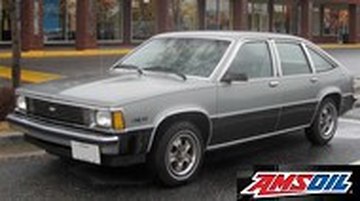
Lubrication Maintenance for the 1981 Chevrolet CITATION 2.8L
Maintaining the engine lubrication system in a vehicle like the 1981 Chevrolet CITATION with the 2.8L engine requires consistent attention to fluid condition and component integrity. Because this vehicle is an older model, routine inspections often provide more value than following generic schedules that do not account for the actual physical state of the engine components.
Monitoring Fluid Condition and Potential Leaks
One of the most effective ways to monitor the health of the 2.8L engine is through regular visual inspections of the lubrication system. Owners should look for any signs of fluid seepage or active leaks around the engine block and associated sealing surfaces. Even small amounts of oil appearing on the exterior of the engine can indicate that a gasket or seal may be reaching the end of its service life.
When performing these checks, it is helpful to observe the following:
- Sealing Surfaces: Inspect areas where different engine components meet for any evidence of wetness or residue.
- Drain Areas: Check the area around the oil drain plug and the filter mounting area to ensure no seepage is occurring during or after service.
- Fluid Appearance: If the oil is checked via a dipstick, note its color and consistency. While some darkening is expected as oil ages, extremely thick or gritty textures can warrant further investigation into the engine's internal cleanliness.
It is important to remember that visible symptoms, such as an oil spot on a driveway, can have multiple causes. A leak might originate from a specific seal or could be traveling from a higher point on the engine. Therefore, any discovery of fluid should be treated as a prompt for a more detailed inspection rather than an immediate diagnosis of a specific failed part.
Managing Maintenance Records and Baselines
For long-term ownership of a 1981 Chevrolet CITATION, establishing a maintenance baseline is highly beneficial. If the previous service history of the vehicle is unknown, the first priority should be to document the current state of all fluids and major components. This creates a reference point that allows you to notice changes over time.
Keeping a detailed log of when oil was last changed, which products were used, and any observed leaks or mechanical noises can help distinguish between normal aging and developing issues. For example, if you notice the engine is consuming slightly more oil than it did six months ago, having those records allows you to identify a trend rather than reacting to a single data point. This methodical approach helps in prioritizing repairs—addressing active leaks or significant changes in fluid behavior before they escalate into more complex mechanical concerns.
Observing Potential Warning Signs
While many lubrication issues are identified through visual inspection, some may present as operational symptoms. Owners should remain attentive to how the vehicle behaves during and after operation. Unusual mechanical noises that coincide with engine startup or changes in how the engine idles can sometimes be associated with the lubrication state.
If an oil-related warning indicator appears on the dashboard, it requires immediate investigation. Such indicators are designed to alert the operator to conditions that could jeopardize engine safety. Additionally, any unexpected odors—such as a burning smell—should be investigated, as this may indicate oil is contacting a hot surface elsewhere in the engine compartment. Always approach these symptoms with the understanding that they are indicators of an underlying condition that requires professional diagnosis.
Age-Related Inspection Priorities
As vehicles age, certain materials naturally undergo changes due to thermal cycling and time. For a 1981 model, it is practical to focus on the condition of flexible components and electrical connections. If equipped, inspect accessible drive belts for signs of cracking, glazing, or fraying. Similarly, if the vehicle is equipped with various rubber hoses, check them for excessive softness, hardening, or visible cracks.
Electrical integrity is also a factor in maintaining a reliable engine. Inspecting wiring harnesses and electrical connectors for corrosion or brittle insulation can prevent intermittent issues. Rather than replacing parts based solely on the age of the vehicle, use these inspections to guide your maintenance decisions based on the actual condition of the components currently installed.
Effective Lubrication Strategies
The primary role of engine oil is to reduce friction and manage heat within the 2.8L engine. Over time, oil can become contaminated by various factors, which may lead to the formation of deposits or sludge if not addressed through regular service. Maintaining clean lubrication helps ensure that the internal components remain protected against wear.
When considering different types of lubricants, it is helpful to understand the general differences between formulations:
- Conventional Oils: These are standard mineral-based oils used for many years in various applications.
- Synthetic and Synthetic Blends: These formulations often provide different thermal stability characteristics compared to conventional oils.
- High-Mileage Formulations: Some high-mileage oil formulations contain additives intended for use in aging engines, including seal-conditioning additives that may help manage minor seepage in older seals.
The choice of lubricant should always be guided by the specific requirements of the engine and the application information provided for your vehicle.
Buying Engine Oil for your 1981 Chevrolet CITATION 2.8L
When you are ready to purchase new lubricant, the most critical step is to match the oil to the application-specific viscosity and requirements already displayed on this webpage. Do not rely on general automotive knowledge or assumptions based on the vehicle's age to select a grade. Instead, use the specific information provided in the technical data above to ensure the lubricant meets the needs of your 2.8L engine.
Before completing your purchase, always check the product labeling to verify that the oil meets the appropriate API certification. Whether you choose a conventional, synthetic blend, or high-mileage formulation, the priority is ensuring the viscosity and quality align exactly with the vehicle-specific information listed for this 1981 Chevrolet CITATION.